
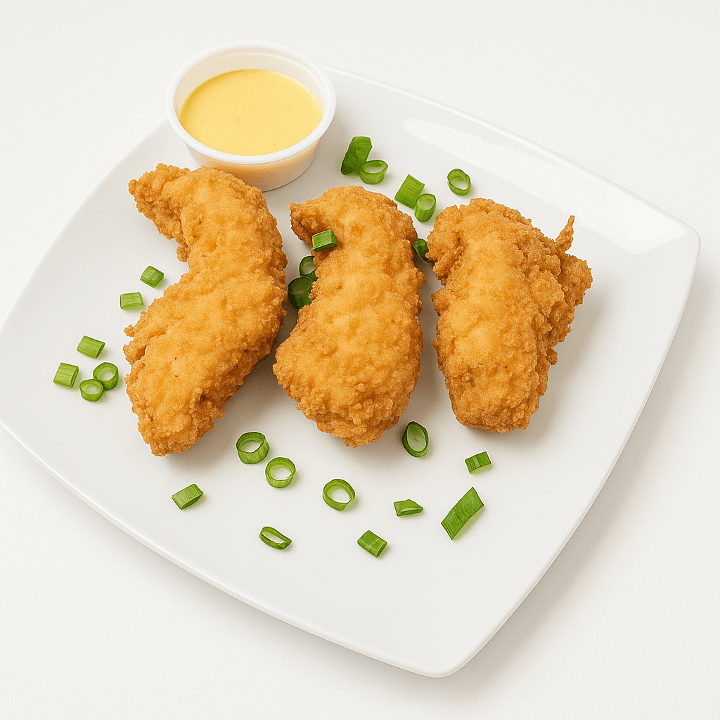
📌 Key Takeaways
Chicken tenders and fried chicken get mixed up but they’re not the same. Tenders come from a boneless strip of meat usually from the breast. Fried chicken uses bone-in pieces. Keeps the skin on. The cooking methods are very different too. This guide explains how each is made, how calories they have and helps you decide which one fits your next meal plan.
Fried chicken does not always mean the thing on a menu. Sometimes “fried chicken” is a bone‑in piece with crispy skin. Other times “fried chicken” is a boneless strip, no bone in sight. Both “fried chicken” are called “fried chicken”. That is where confusion starts.
The chicken tenders versus fried chicken question is not really about which tastes. Instead it is about understanding what chicken tenders and fried chicken really are which part of the bird chicken tenders come from and which part of the bird fried chicken come from and how that choice changes the food on your plate the cost on your wallet and the impact on your health. Let us explore what makes chicken tenders different, from fried chicken.
What Are Chicken Tenders?
Chicken tenders come from a specific piece of the bird, the pectoralis minor, a small strip of muscle tucked underneath the breast. Each chicken only has two of these, one per side. That’s part of why true tenders often cost more per pound than other cuts.
That small muscle is naturally tender, hence the name, and it cooks fast since there’s less mass to work through. Most restaurant “tenders” get breaded in a light coating, then fried or baked until crisp on the outside. This is usually the first thing people picture when they hear chicken tenders vs fried chicken, even though the two aren’t really interchangeable.
How Chicken Tenders Are Typically Made
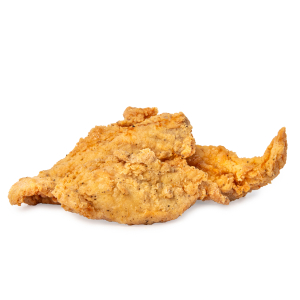
The process usually goes something like this:
- The tenderloin gets trimmed of the tough white tendon running through the center
- It’s dipped in buttermilk, egg wash, or a seasoned liquid
- Then dredged in flour, breadcrumbs, or a seasoned batter
- Finally, fry in oil until golden, or bake for a lighter version
A quick note on chicken tenders nutrition: Since the meat itself is lean white meat, most of the calorie and fat difference comes down to the breading and cooking method, which can vary at any chicken tender restaurant. A baked tender can run under 150 calories. A deep-fried restaurant tender easily clears 100 to 150 calories on its own, sometimes more.
Why “Chicken Strips” Aren’t Always the Same Thing
Menus can be misleading here. A lot of fast food “chicken strips” or “chicken fingers” aren’t made from the actual tenderloin at all. They’re cut from the larger breast muscle, or sometimes formed from ground and pressed chicken. Real tenders have a slightly stringy, fibrous texture, the kind you can pull apart with your fingers. Formed strips tend to be more uniform, smoother, almost too smooth. That’s a decent way to tell them apart.
What Is Fried Chicken?
Fried chicken, in the classic sense, usually means bone-in pieces. Thighs, drumsticks, wings, breasts, all cooked with the skin on.
The preparation leans heavily on Southern tradition, though regions and households each have their own version. Fried chicken preparation typically starts with a buttermilk soak, sometimes overnight, which tenderizes the meat and helps the coating stick. Once you compare that process to how tenders get made, the chicken tenders vs fried chicken split starts to make a lot more sense. According to Yahoo Finance, the fried chicken market has experienced strong growth in recent years, increasing from $100.11 billion in 2025 to an estimated $107.19 billion in 2026, representing a compound annual growth rate (CAGR) of 7.1%.
The Classic Fried Chicken Process
A traditional approach usually looks like this:
- Chicken pieces sit in buttermilk for many hours and I love that soak.
- Chicken pieces are coated in seasoned flour. Sometimes coated twice so they become extra crunchy which I enjoy.
- Chicken pieces fry in oil in a cast iron skillet at a lower temperature, for a longer time and the result is tasty.
- Bone-in pieces need more cook time than tenders, since heat has to reach the bone
Fried Chicken Recipes Vary More Than People Realize
Fried chicken recipes differ quite a bit by region. Nashville hot chicken gets a cayenne-heavy oil brushed on after frying. Korean fried chicken is double-fried for a shattering crunch, often glazed in a sweet-spicy sauce. Southern-style leans on buttermilk and black pepper, simple, done well. None of these are wrong. They’re just different traditions solving the same basic problem, getting crispy skin over juicy meat.
Key Differences Between Chicken Tenders and Fried Chicken
Strip away the marketing and chicken tenders vs fried chicken comes down to a handful of practical differences.
Cut the meat first. Tenders use the small pectoralis minor strip. Fried chicken typically uses bone-in pieces with skin, cut from the whole bird.
Cook time matters too. Tenders cook in five to eight minutes because there’s no bone to worry about. Bone-in fried chicken can take fifteen to twenty minutes to cook through without burning the outside.
Texture differs quite a bit. Tenders are uniformly tender since the muscle barely gets used. Fried chicken has more variation, crispy skin, juicier dark meat, firmer breast meat, all in one meal.
Portion consistency plays a role. Every tender is roughly the same size, which restaurants like for consistent plating. Bone-in pieces vary a lot depending on which part of the bird you get.
Price per pound surprises people. Because the tenderloin is a limited cut, true tenders often cost more per pound than whole fried chicken pieces, despite what fast food pricing suggests.
And then there’s what each one’s actually good for. Tenders work well for dipping sauces, kids’ meals, and quick weeknight dinners. Fried chicken suits family dinners, potlucks, and meals where a bit more ceremony feels right, especially when enjoying fried chicken Miami style.
A quick side-by-side, if it helps:
- Bone: Tenders have none, fried chicken usually does
- Skin: Tenders have none, fried chicken often includes it
- Cook time: Tenders are faster, fried chicken takes longer
- Texture: Tenders are consistent, fried chicken varies by cut
Health Considerations
Neither one counts as health food, let’s not pretend otherwise, but the differences matter if you’re watching what you eat. The chicken tenders vs fried chicken gap really shows up once you look at the actual numbers.
Fried Chicken Calories, Broken Down
A single fried, breaded chicken tender runs roughly 87 to 140 calories depending on size and coating thickness. A serving of five restaurant-style tenders can land anywhere between 400 and 500 calories, with 25 to 35 grams of fat and well over 1,000 milligrams of sodium in some cases. Fried chicken calories climb even higher once bone-in pieces enter the picture.
Bone-in fried chicken tends to run higher per piece, mainly because of the skin. A fried chicken thigh with skin can easily hit 300 or more calories on its own, largely from the fat rendered out of the skin during frying.
A Few Practical Ways to Lighten Either Option
- Bake or air-fry instead of deep-frying to cut oil absorption significantly
- Remove the skin from fried chicken before eating, which trims a large chunk of the fat
- Use panko or crushed cornflakes instead of heavy batter for a lighter crunch
- Watch portion size on tenders specifically, since it’s easy to eat five or six without noticing
Protein and Nutrients Worth Knowing
Both options deliver solid protein, usually 20 to 30 grams per serving depending on portion size. Chicken is also a decent source of niacin, B6, phosphorus, and selenium, regardless of which cut ends up on your plate. The real nutritional gap comes down to how much breading and oil get added along the way, not the chicken itself.
Conclusion: Making the Right Choice for Your Meal
Chicken tenders versus fried chicken is not really a contest with a winner. Chicken tenders are useful for meals, for children and for keeping portions small. Classic fried chicken is ideal when the meal is an event, not just a quick bite. If you’re searching for the best fried chicken in Miami, knowing the different styles can help you choose a dish or cook one with a better idea of what will actually be on your plate.
FAQs
What is the nutritional difference between chicken tenders and fried chicken?
Chicken tenders use a lean, boneless cut with lighter breading, generally landing between 87 and 140 calories per tender. Bone-in fried chicken carries more fat and calories overall due to the skin, often exceeding 300 calories per piece.
Can chicken tenders be baked instead of fried?
Yes. Baked breaded tenders run roughly 20 percent fewer calories than fried versions, often landing under 150 calories per serving while still delivering a crisp texture if the oven runs hot enough.
Are chicken tenders healthier than fried chicken?
Yes, mainly because tenders skip the skin and use a leaner cut of meat. That said, a heavily breaded, deep-fried tender can still pack nearly as many calories as a piece of fried chicken, so preparation matters more than the cut alone.
What are the best dipping sauces for chicken tenders?
Honey mustard, ranch, and buffalo sauce remain the most popular choices. A simple honey and hot sauce blend also works well for something with a bit more kick without overwhelming the chicken.
How can I make fried chicken crispy without deep-frying?
Air frying or oven-baking at a high temperature, around 425°F, with a light oil spray on the coating gets close to that deep-fried crunch. A wire rack under the chicken also helps air circulate for even crisping.
What makes Crisppi’s Chicken different from other Chicken Restaurants?
Crisppi’s Chicken focuses on fresh, never-frozen cuts and made-to-order frying, rather than holding pre-cooked batches under a heat lamp. That approach keeps both the tenders and the classic fried chicken consistently crisp instead of soggy by the time it reaches the table. For anyone searching for the best fried chicken in Miami, or just a reliable chicken tender restaurant nearby, that made-to-order approach tends to make the difference. As a Miami chicken restaurant, Crisppi’s serves both styles fresh, so the choice between tenders and classic fried chicken miami-style comes down to preference, not which one was cooked more carefully.